
Stephanie, a Black Deaf woman of Bermudian heritage and mother of three, is featured in Wokingham Library's Black History Month exhibition this October. Her personal journey highlights the critical importance of access and inclusion, not as special treatment, but as a fundamental right for participation.
Her organisation, WovenAware, grew from years of experiences where she began to connect seemingly isolated events to broader themes of communication, identity, and how systems operate. "Something can happen years ago and at the time you think it was just one experience," she said. "Then later you begin connecting it to other experiences and realise there are wider threads around communication, access, identity, belonging, power or the way systems work."
As a mother to both hearing and Deaf sons, Stephanie observes how differently children can experience communication and access within a single family. Her aim is to help others recognise patterns in their own lives and articulate their struggles. The core message of WovenAware is simple: "Wake up. See the threads."
Stephanie emphasises that when access is planned from the outset, it allows for genuine participation. "When access is there, I can concentrate on the conversation rather than constantly trying to work out what I have missed," she explained. "Having the right interpreter, being able to see everyone clearly and being properly included means I can participate directly, ask questions, respond naturally and understand the smaller details and nuances too."
She brings this lived experience to the Inclusive Design Group, a resident-led initiative established this year to enhance accessibility in Wokingham's future buildings and public spaces. Working with architects and council officers, the group ensures accessibility is considered from the project's inception.
Stephanie advocates for early involvement, stating, "What matters to me is being involved before decisions are finalised, rather than being asked afterwards whether something is accessible." She notes that physical accessibility does not always equate to Deaf accessibility, and invisible barriers can significantly impact individuals.
Improvements at Dinton Pastures exemplify how small design details make a big difference. Wider paths, for instance, allow her to walk and sign naturally with a companion. Clear sightlines, good lighting, and visual information are crucial for effective communication, reducing reliance on hearing announcements.
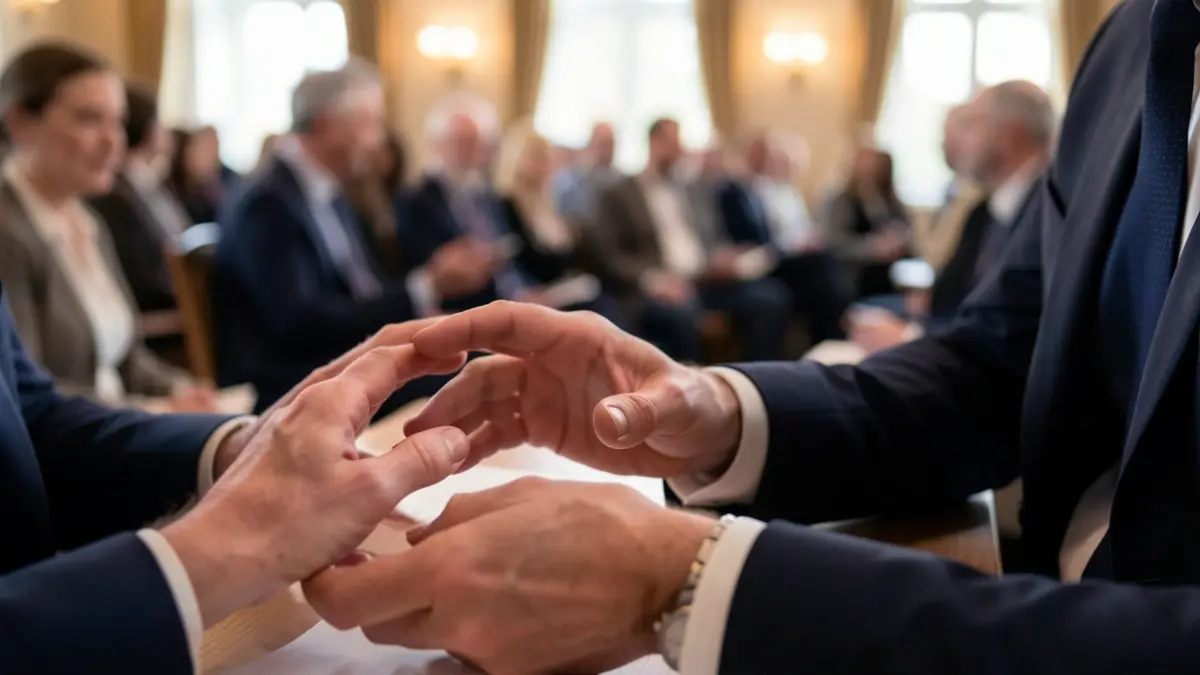
Recently, Stephanie spoke at a Full Council meeting, signing her speech with an interpreter voicing it. This experience, which she would have previously avoided, marked a significant step in building her confidence. "I was nervous, but I was also standing there using my own voice, in my own way, in a room where decisions are made. I felt proud that I had done something I once would have avoided."
Looking ahead, Stephanie hopes for a future where her Deaf son and other Deaf children and adults in the borough can expect access as a norm, not something they must repeatedly request. She envisions a community where Deaf adults are visible and actively shape decisions, demonstrating diverse ways of being Deaf.
The vision of Social Care Future, which Wokingham Borough Council supports, is about fostering communities where everyone can live the life they want. For Stephanie, this means ensuring communication access is considered from the start, allowing individuals to participate fully and be themselves.
She concludes, "Ultimately, I want my son to grow up expecting access, not learning that he has to fight for it." Through WovenAware, Stephanie continues to explore the connections between lived experience, communication, access, and belonging.