South Oxfordshire District Council has successfully completed the first year of its joint Nature and Climate Action Plan, implemented with the Vale of White Horse District Council. The plan focuses on ambitious environmental programmes, community support for carbon emission reduction, habitat restoration, and preparing for climate change impacts.
Following reviews of performance updates for the 2025/26 period, the council's cabinet has approved the plan for the upcoming year. Through strategic investment in nature recovery, renewable energy, staff training, and community partnerships, the council is actively working to lower carbon emissions, enhance biodiversity, and build resilience against climate change.
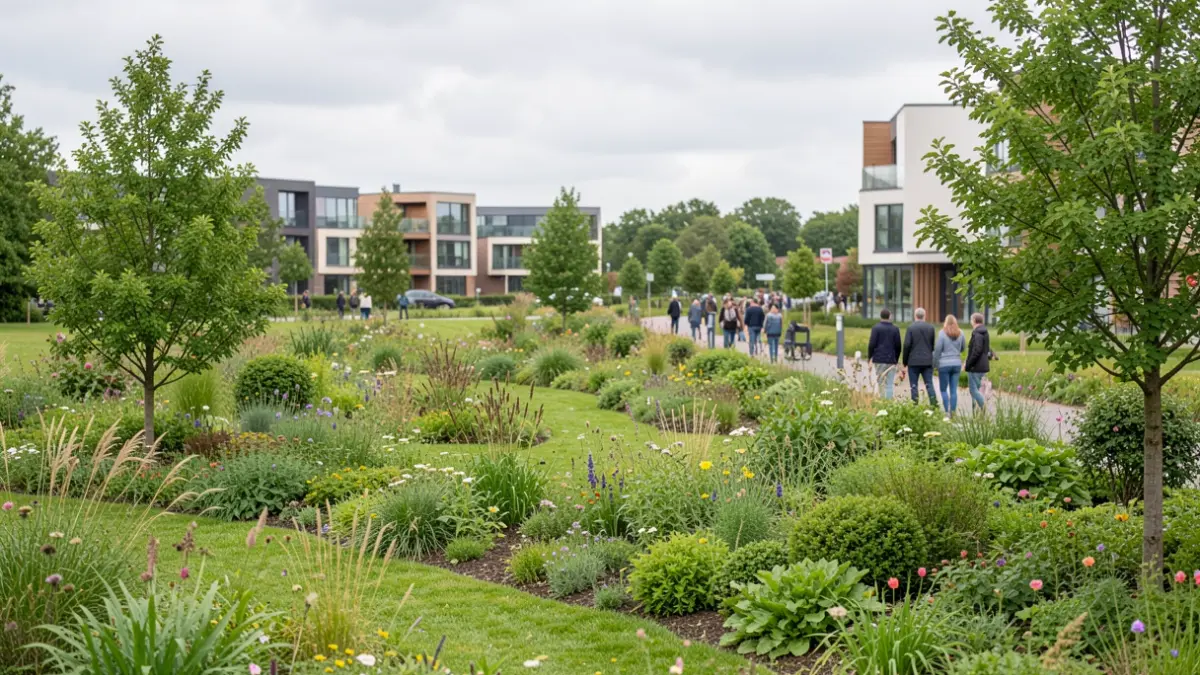
A key achievement is the success in nature recovery, with approximately 35.8 hectares of publicly accessible green space, equating to 44 per cent of council-owned land, now actively managed for wildlife. This figure surpasses the UK Government's target of 30 per cent land managed for nature by 2030. Additionally, biodiversity audits have been completed across 63 hectares of council land, providing data for future habitat enhancement and ecological restoration projects.
Building climate awareness has also been a priority, with 457 council officers, over 70 per cent of staff, completing a new climate e-learning programme. An enhanced accredited carbon literacy training course is also set to be rolled out to further embed climate awareness across the organisation.
The council is exploring innovative ways to decarbonise heating, including assessing the potential use of waste heat from proposed data centres at Culham for nearby housing and businesses. This initiative aims to reduce reliance on fossil fuels.
To encourage wider environmental action, new 'Sustainability Stories' webpages have been launched, highlighting local organisations making a positive impact. Featured initiatives include Eco SoCo's projects like hedgehog highways and community orchards, and investments in renewable energy by Wallingford Sports Trust and Thame Players Theatre.
A natural flood management project at Littleworth Nature Reserve is also noted for reducing flood risk downstream while creating environmental and biodiversity benefits.
“"Through investment in renewable energy, nature recovery, staff training and community engagement, the council continues to make significant progress towards a more sustainable and nature-rich future for residents, businesses and wildlife alike. We are proud of the progress we have made over the past year, from exceeding national targets for land managed for nature to supporting local organisations that are leading climate action in their communities. Together, these projects are helping to create a healthier, greener and more resilient South Oxfordshire for future generations."