The Council will be carrying out woodland thinning and other management works at Deer Park Wood, North Leigh Common, Madley Brook, Millers Mews, and Kilkenny Lane Country Park. These efforts are designed to improve the health of trees, support wildlife, and ensure nature thrives for years to come.
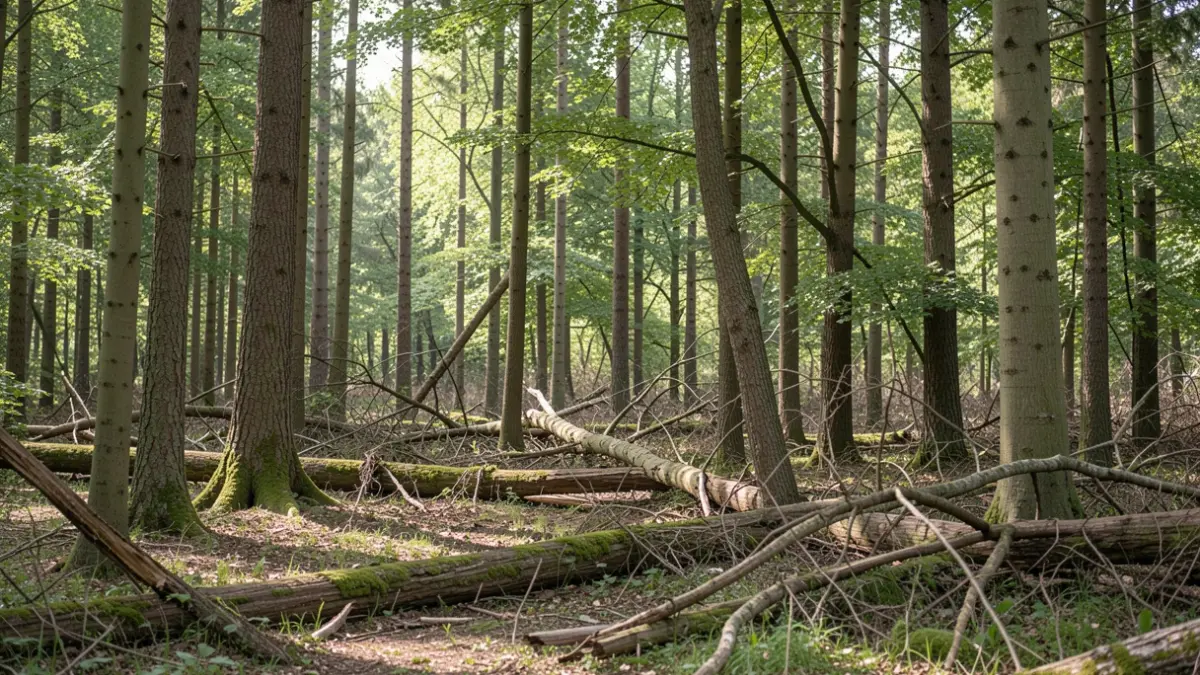
Many of the woodlands, planted in the 1990s and 2000s, have become dense. The selective removal of approximately 10% to 30% of trees in certain areas will provide remaining trees with more space to grow stronger, healthier structures, making them less vulnerable to wind damage.
These improvements will create better habitats for a wide range of wildlife. Natural cracks and crevices in trees will provide homes for bats, insects, and birds like woodpeckers, nuthatches, and owls. Excess wood will be used for habitat piles and natural barriers, offering shelter for hedgehogs, amphibians, and reptiles, while standing deadwood will support insects and fungi.
Coppicing, a traditional technique, will also be employed, cutting trees near the ground to encourage new growth and create dense vegetation for birds and hazel dormice. Increased sunlight on the woodland floor will also promote a greater variety of plant life.
“"Looking after our woodlands is about making sure they remain healthy, resilient and full of wildlife for generations to come. While removing trees might seem surprising, carefully planned thinning is an important part of woodland management. By giving trees more room to grow and creating different types of habitats, we can help our local woodlands support an even greater variety of plants and animals. It's also a great example of how we're working with local volunteers to care for our natural spaces, and we'd encourage anyone interested in getting involved to get in touch."
All nature reserves will remain open during the works, with most thinning away from public paths. Temporary path closures are expected for approximately one day at Deer Park Wood and Millers Mews for wood chip spreading, with alternative routes available. Parking access will not be affected.
This initiative is part of the Council's ongoing commitment to protecting and enhancing biodiversity across West Oxfordshire, ensuring its green spaces are healthy and welcoming for wildlife and local communities. Residents interested in learning more or volunteering can contact the Council's ecology team.